
Kösem Poster. Photo: Wikipedia
It all began in an unexpected place—a small bookstore in Mestre, the mainland gateway to Venice.
While browsing the travel section, I stumbled upon a copy of Corto Maltese’s guidebook to Venice. I bought it on the spot, never imagining that it would shape years of travel across Türkiye.
Throughout my adventures in Venice, the guidebook became much more than a travel companion. It encouraged me to look beyond the city’s famous landmarks and uncover the fascinating connections between Venice and the Ottoman Empire.
One chapter, in particular, caught my attention.
It was dedicated to Nurbanu Sultan, who, according to one popular legend, was born into the Venetian noble Baffo-Venier family as Cecilia Baffo before being captured in the Aegean Sea and brought to Constantinople. She would eventually become one of the most influential women in Ottoman history as the mother of Sultan Murad III.
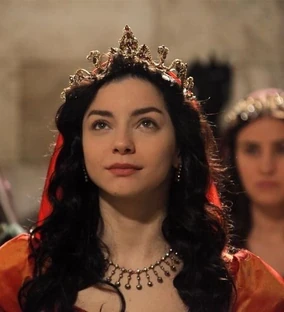
Merve Boluğur as Nurbanu Sultan. Photo: Fandomwiki
The guidebook even featured poetry celebrating Nurbanu Sultan and her alleged Venetian relatives, whose workshop once stood in one of Venice’s historic squares.
Curious to learn more, I opened YouTube and searched for Nurbanu Sultan.
Among the search results was a compilation of scenes from Magnificent Century, where Nurbanu was portrayed by Merve Boluğur. What started as watching a few clips quickly turned into binge-watching countless scenes from the series.
Eventually, I moved on to Magnificent Century: Kösem, and before long, my growing fascination with Ottoman history evolved into something bigger.
I started planning my very first trip to Istanbul.
The Moment Hagia Sophia Changed Everything
Like many fans of the Magnificent Century saga, my first destination was Topkapi Palace.
More specifically, I couldn’t wait to step inside the legendary Imperial Harem, where so much of the series takes place.
After leaving Topkapi Palace, I noticed that Hagia Sophia was only a short walk away.
I remember thinking, “Why not? I may not be back in Istanbul for a long time.”
Without hesitation, I bought a ticket and entered the visitors’ gallery.
That decision completely changed the direction of my travels.
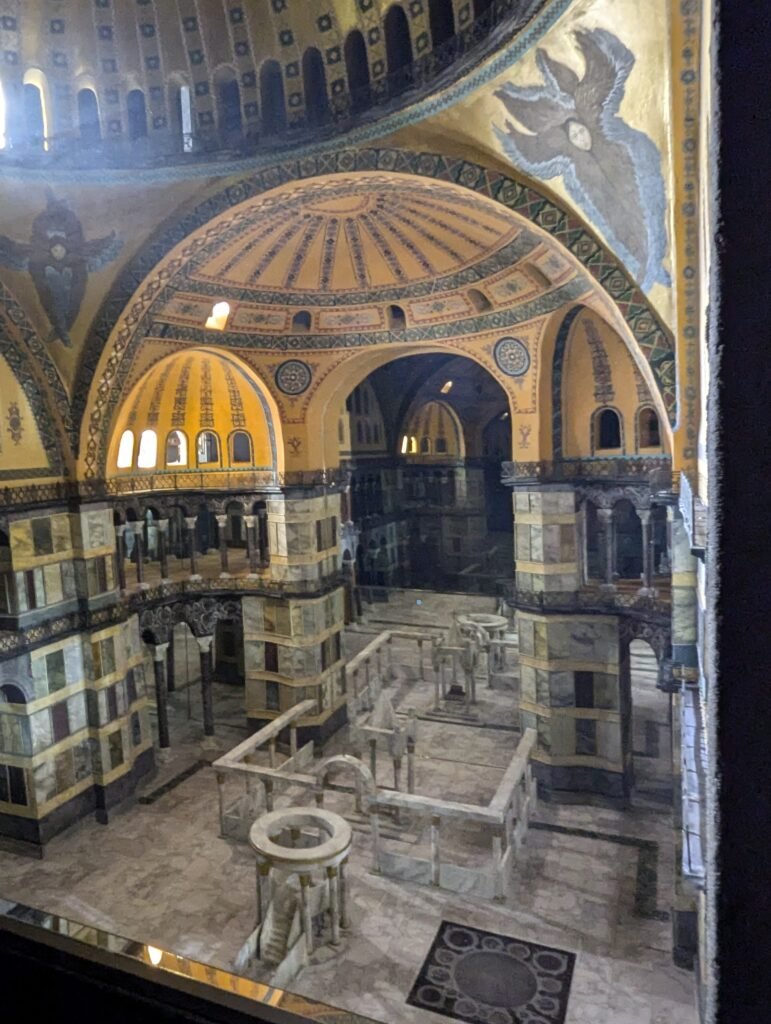
I left my heart inside Hagia Sophia.
The immense dome, the surviving Byzantine mosaics depicting emperors and empresses, the magnificent marble architecture, and the beautiful Imperial Gate captivated me in a way I had never expected.
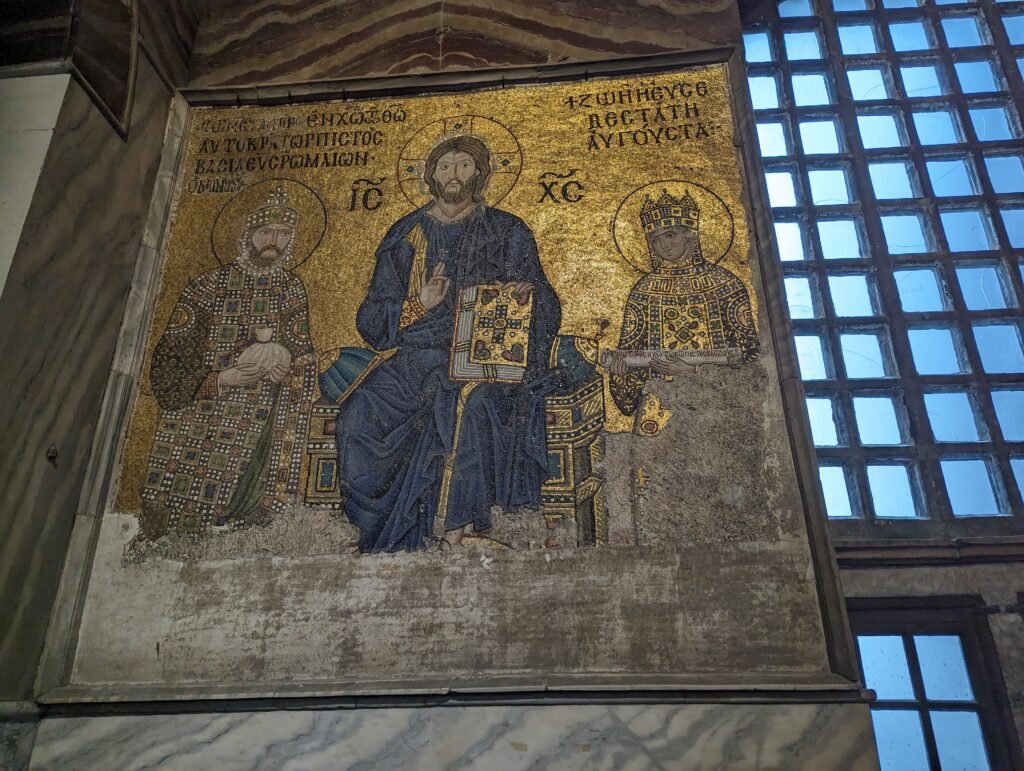
One sign especially stayed with me.
It marked the viewpoint reserved for the Byzantine emperors during imperial ceremonies. Standing there, I imagined the centuries of history that had unfolded beneath the great dome.
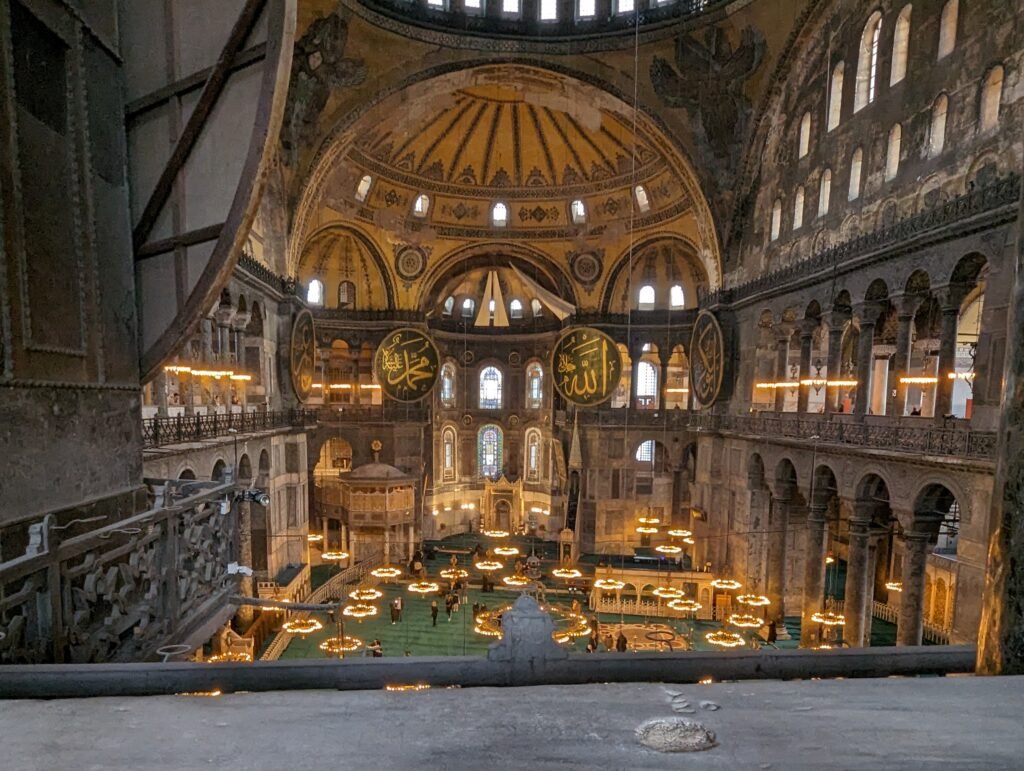
For the first time, I realized that Istanbul wasn’t just an Ottoman capital.
It was also the heart of the Byzantine Empire for more than a thousand years.
Discovering Byzantine Istanbul
A few days later, my first trip to Istanbul came to an end.
My fascination with the city’s Byzantine heritage, however, had only just begun.
Hagia Sophia inspired me to search for other Byzantine landmarks scattered throughout Istanbul. Soon, I was planning a second visit dedicated almost entirely to exploring the city’s Eastern Roman legacy.
This very guide became an invaluable resource while organizing that journey.
Even today, my list of Byzantine sites in Istanbul is far from complete, giving me yet another reason to return.
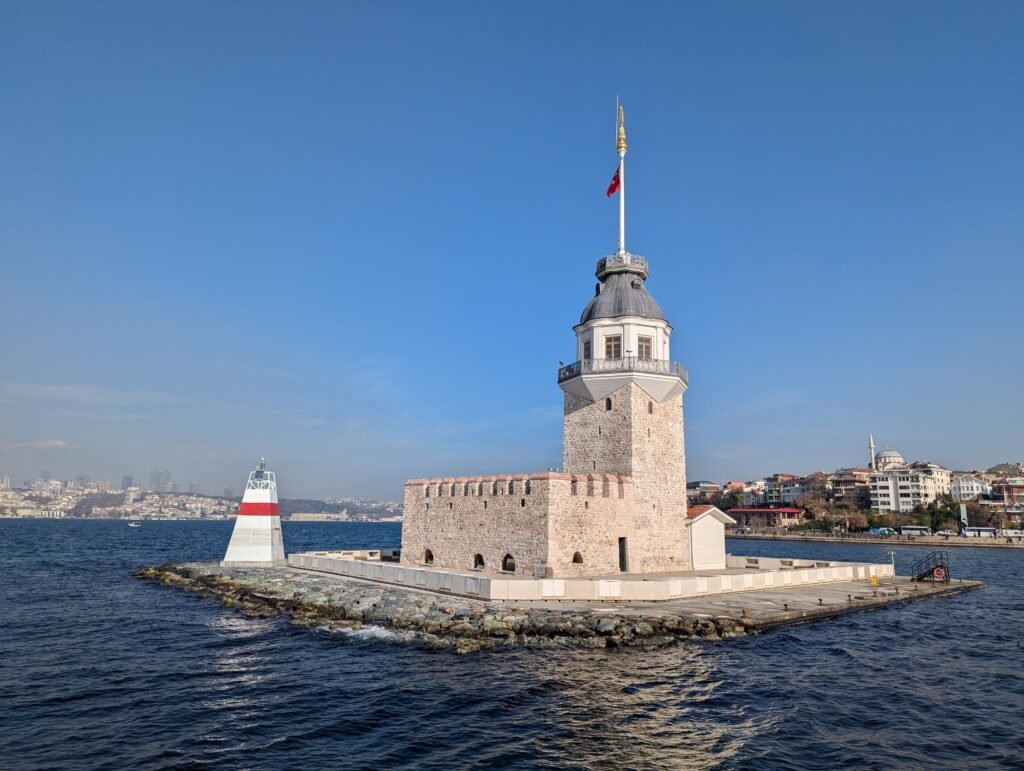
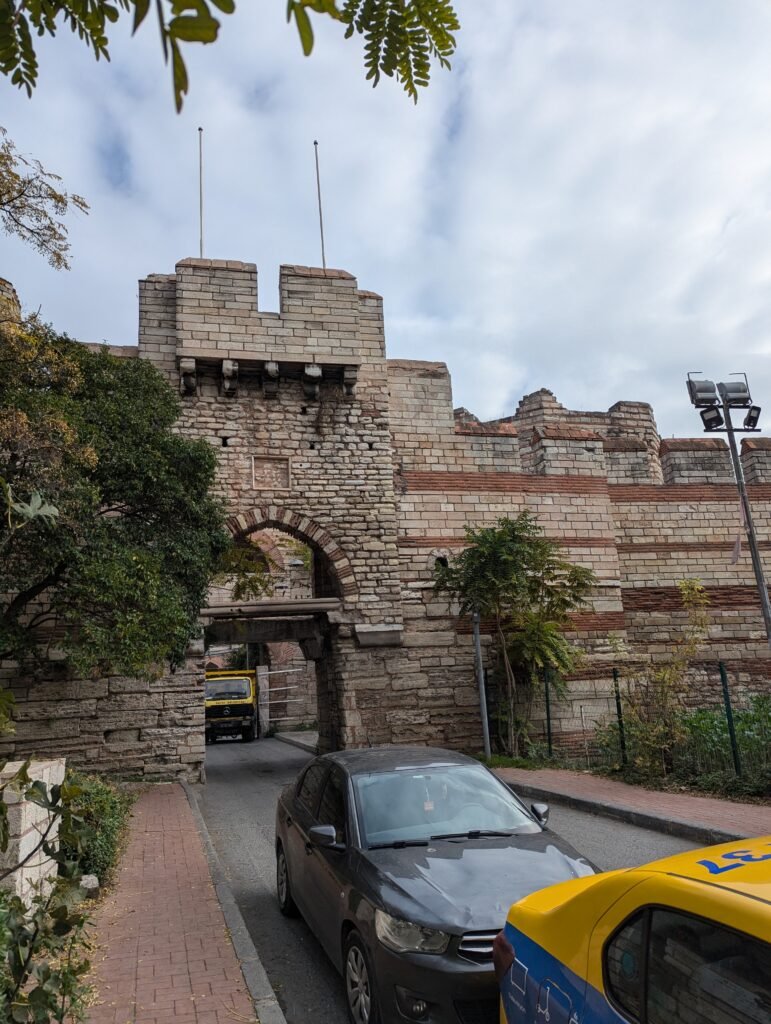
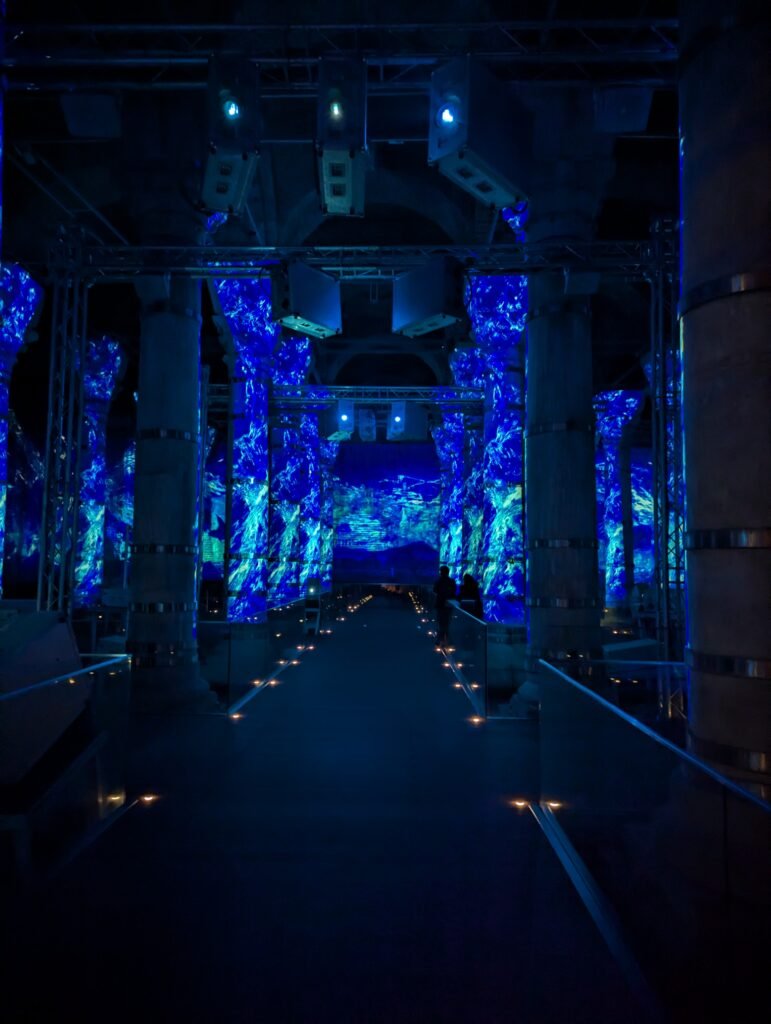
Beyond Istanbul: Exploring Türkiye’s Byzantine Heritage
After returning home, I immersed myself in Byzantine history even further.
I discovered Byzantine music, historical documentaries, and eventually the YouTube channel of Farya Faraji, whose Byzantine-inspired compositions made me appreciate the empire’s rich cultural legacy even more.
Those discoveries inspired my third—and so far latest—trip to Türkiye.
This time, I ventured beyond Istanbul to explore other remarkable destinations, including Trabzon, Rize, Sumela Monastery, Ephesus, Pamukkale, and Cappadocia.
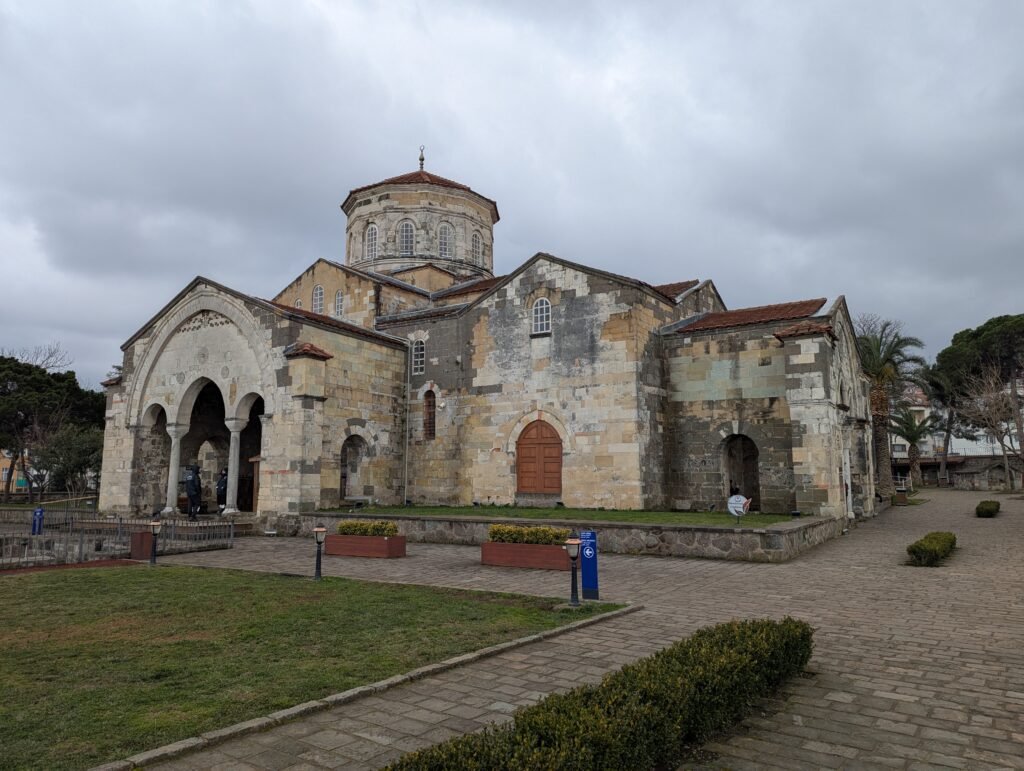
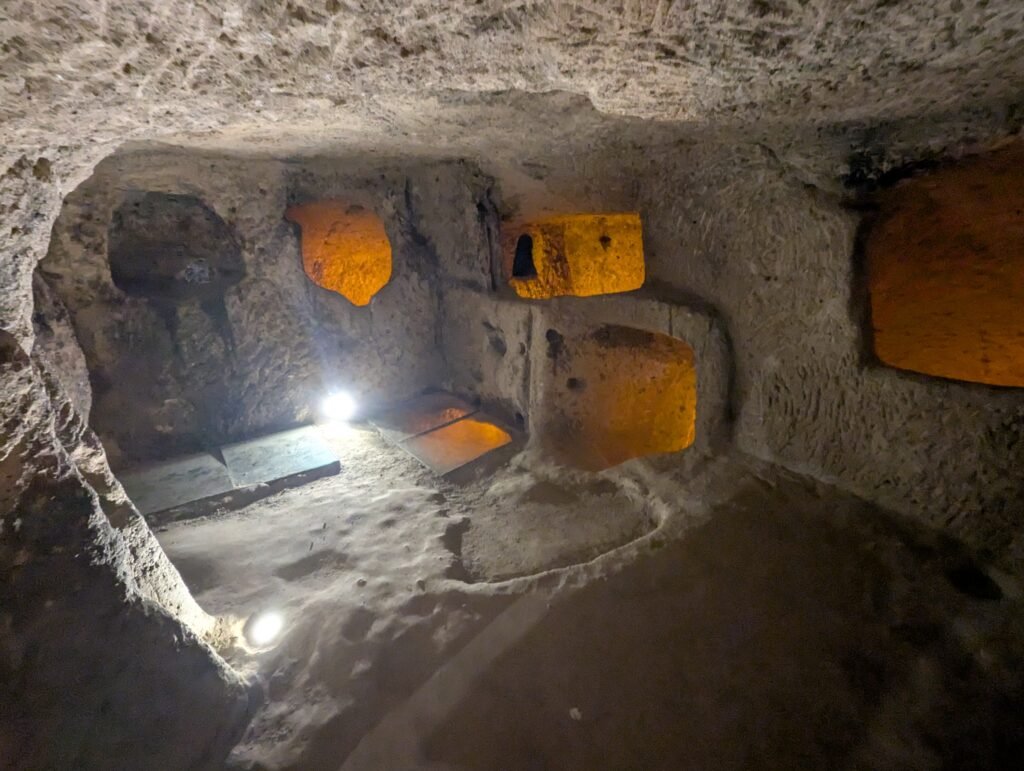
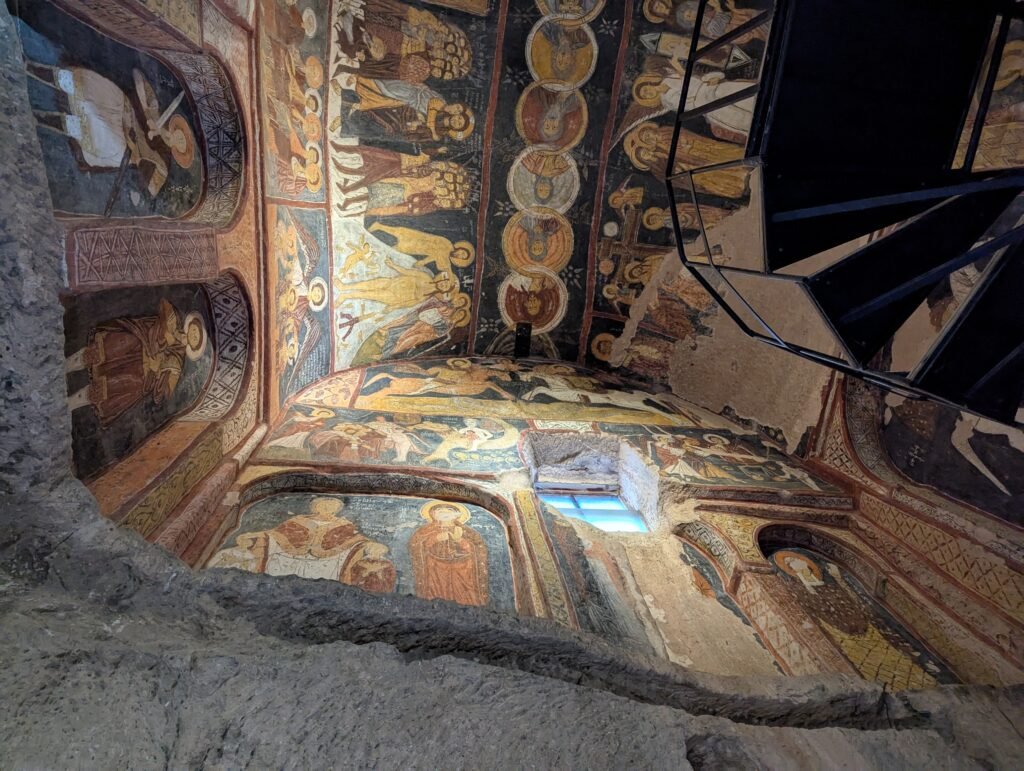
On paper, the itinerary looked like a collection of Türkiye’s most famous attractions.
In reality, it felt completely different.
Since I traveled during the off-season, many destinations were wonderfully quiet.
In Trabzon and across the Black Sea region, I often found myself to be the only foreign visitor walking through town. The peaceful atmosphere allowed me to experience a slower, more authentic side of Türkiye that many travelers never get to see.
Even iconic attractions such as Sumela Monastery, Ephesus, Pamukkale, and Cappadocia felt calm compared to the bustling streets of Istanbul.
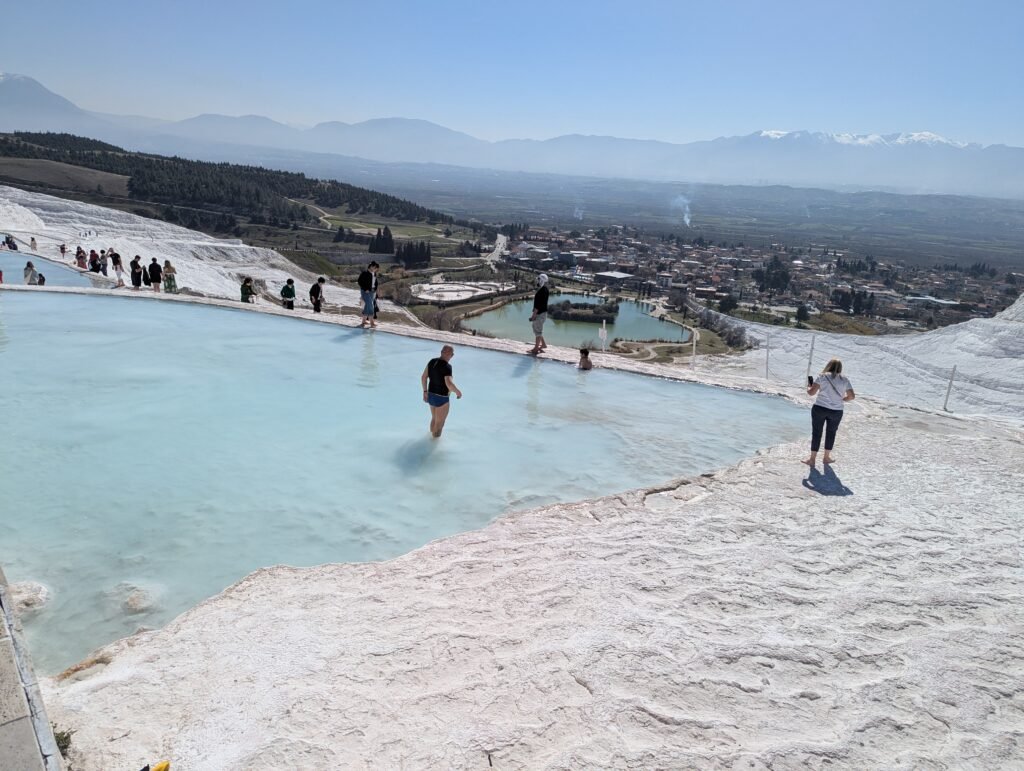
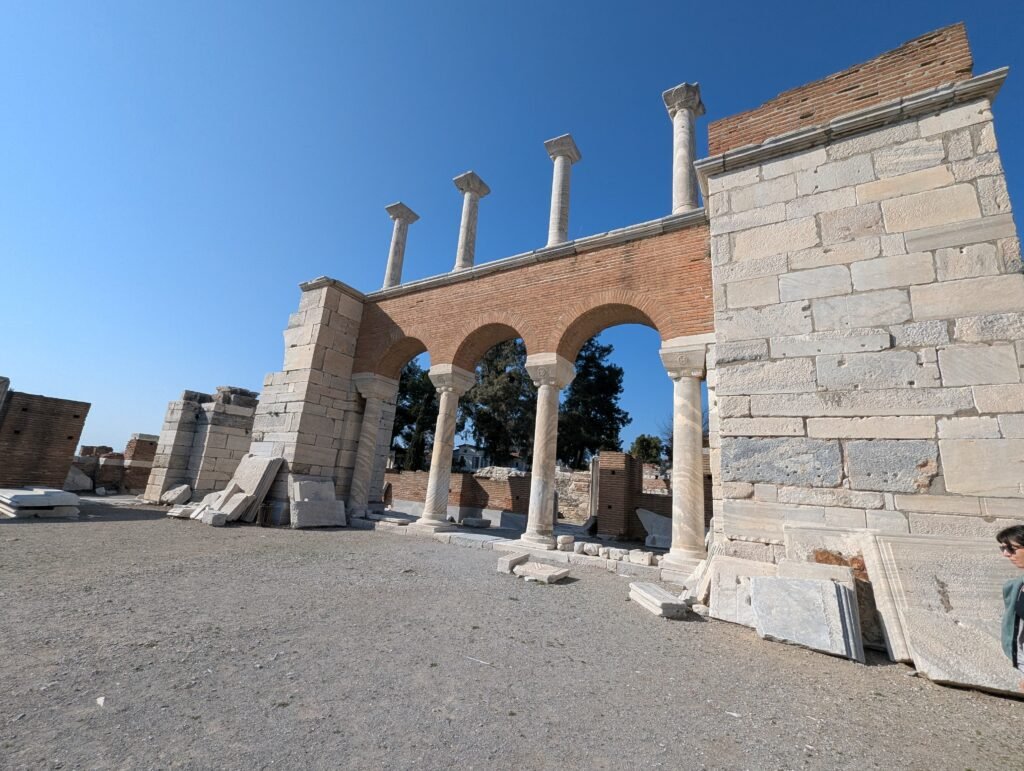
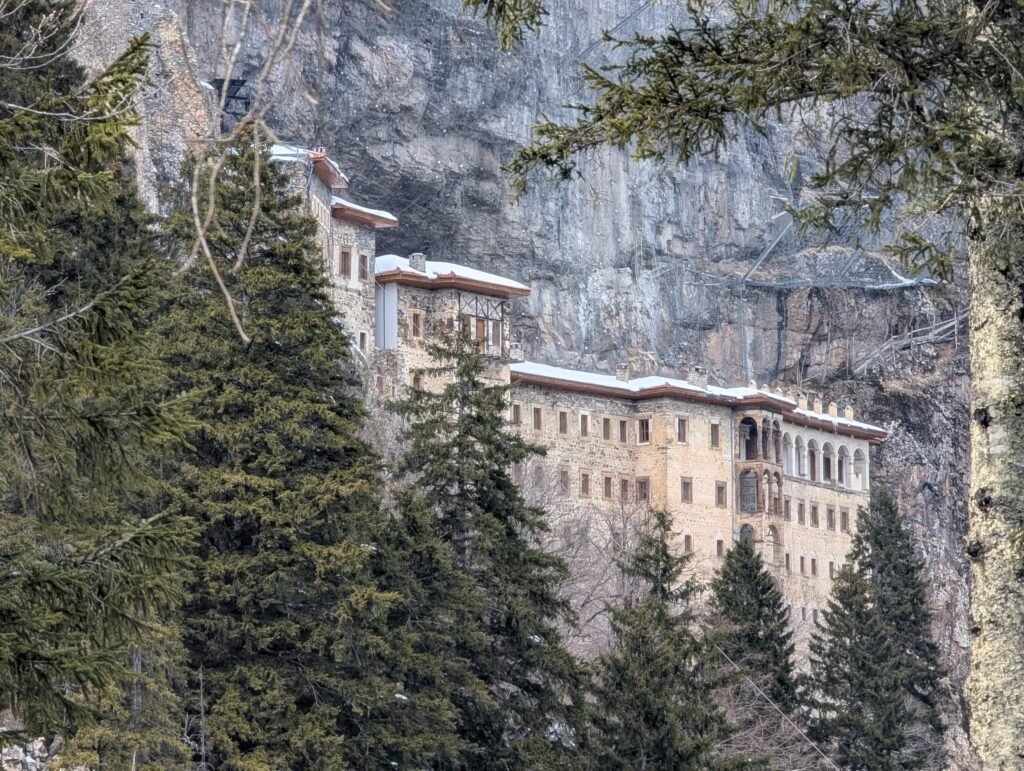
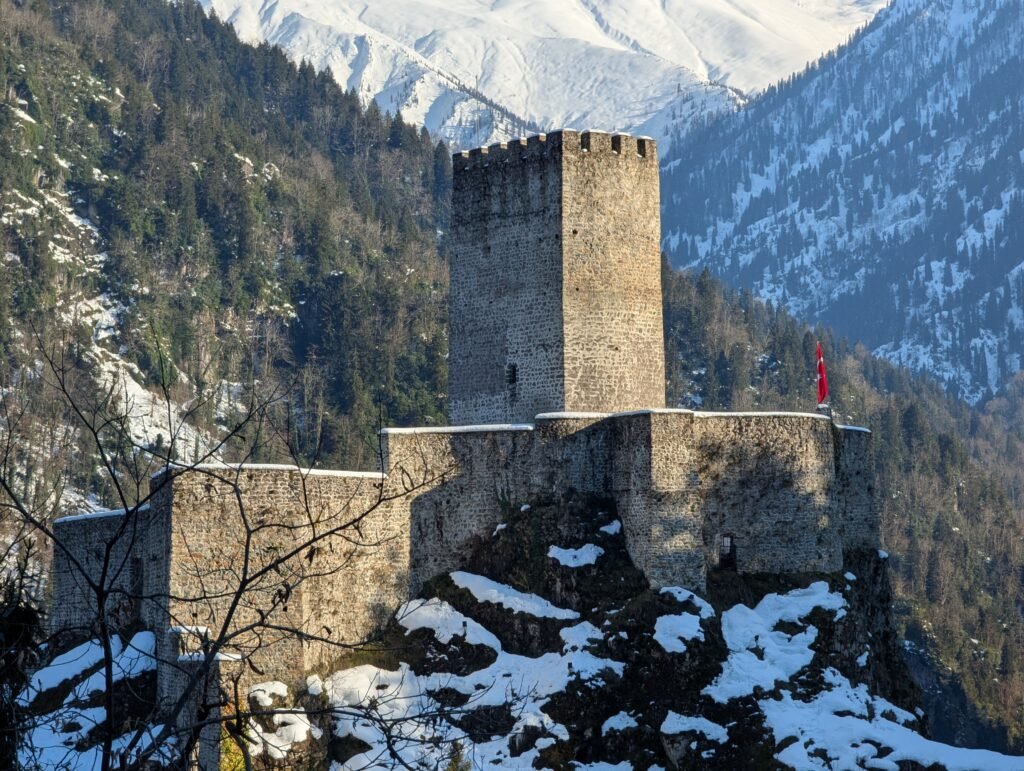
Traveling during the shoulder season gave me the opportunity to enjoy these extraordinary places without the overwhelming crowds that often fill them in summer.
It reminded me that some of the best travel experiences happen when popular destinations are at their quietest.
A Journey That Isn’t Over Yet
My latest trip ended with a flight home from Kayseri in March 2024.
Although I haven’t been able to return to Türkiye since then, my fascination with its history has never faded.
Looking back, it’s incredible to think that everything started with a single guidebook discovered in a bookstore in Venice.
A story about Nurbanu Sultan led me to Magnificent Century. The series inspired my first trip to Istanbul. Hagia Sophia introduced me to the Byzantine Empire. And that single visit opened the door to exploring Türkiye’s extraordinary historical heritage—from Istanbul to the Black Sea and beyond.
I’m already looking forward to my next adventure in Türkiye, where countless Byzantine treasures are still waiting to be discovered.
Leave a Reply