If you travel around Europe by public transport, Bohemia might be exactly what your tired body needs. Sleeping on trains and buses is great for your budget, but not always for your mind and soul—unless you genuinely enjoy spending nights in transit.
So what nourishes the tired body and soul in Bohemia? The famous Spa Triangle.
In this region, hotels and public bathhouses let you experience the healing thermal waters for which the Spa Triangle is known. You can choose from bathhouses across every budget range, depending on your needs.
Karlovy Vary
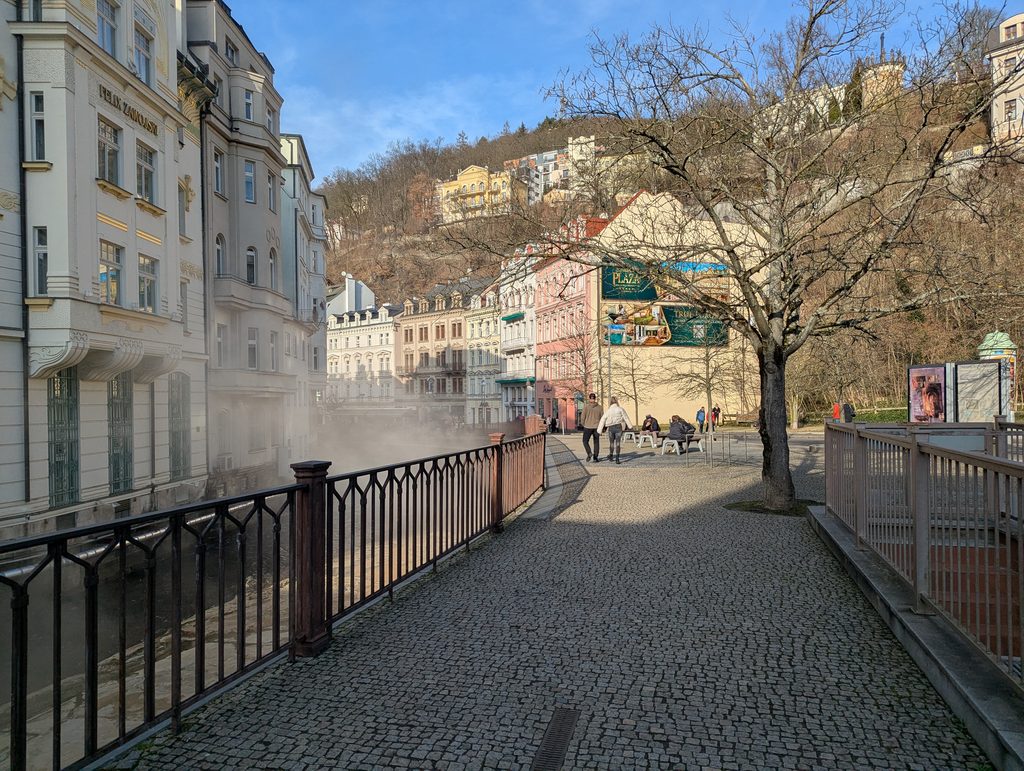
Legend says that Charles IV, one of the most illustrious medieval rulers of Bohemia and the founder of the town, discovered the thermal springs while walking through the forest. That is why the spa town was named Karlovy Vary—literally “Charles’ Baths”—in the 14th century. Thanks to its spas, it remains one of the places in Czechia you should visit.
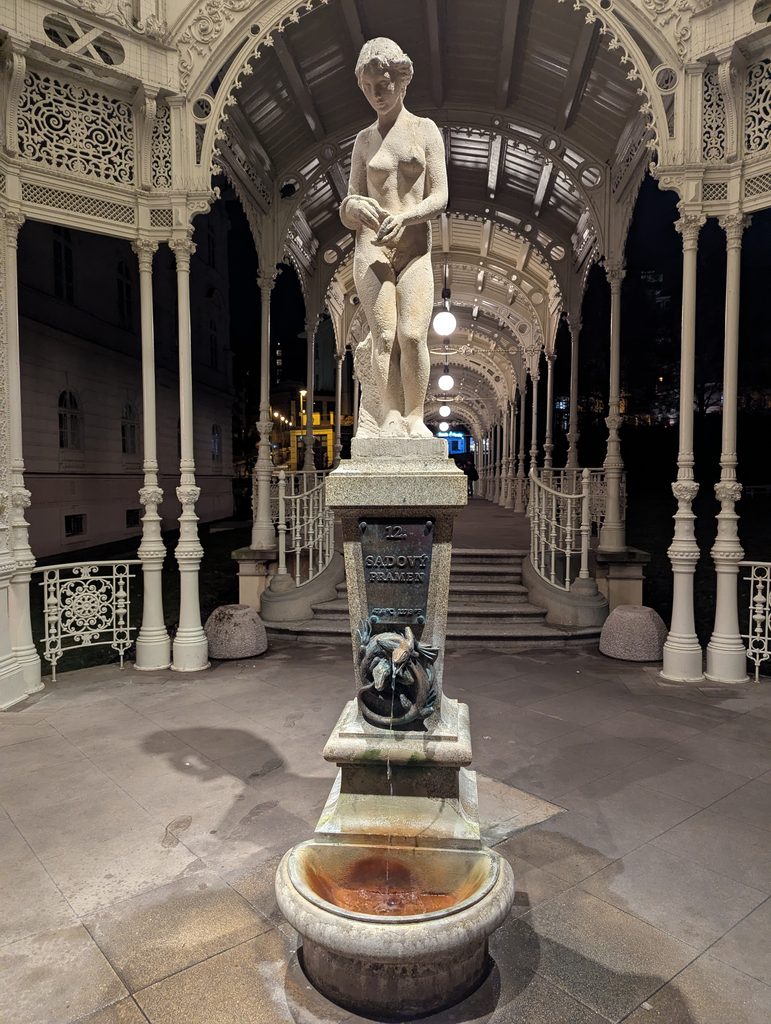
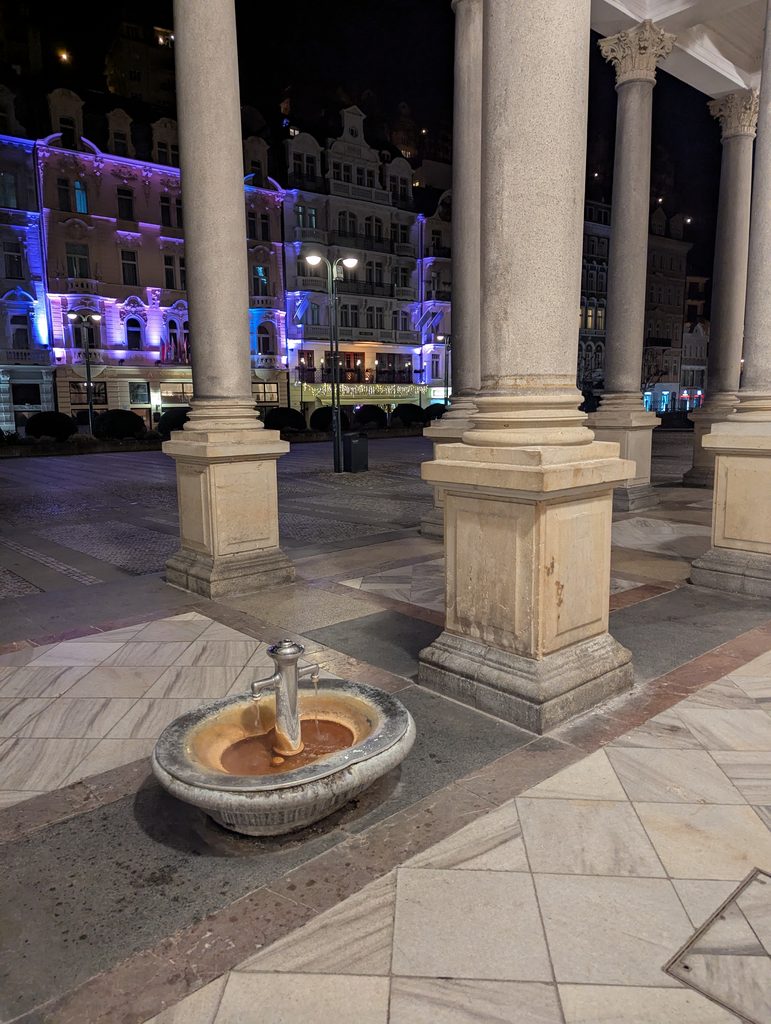
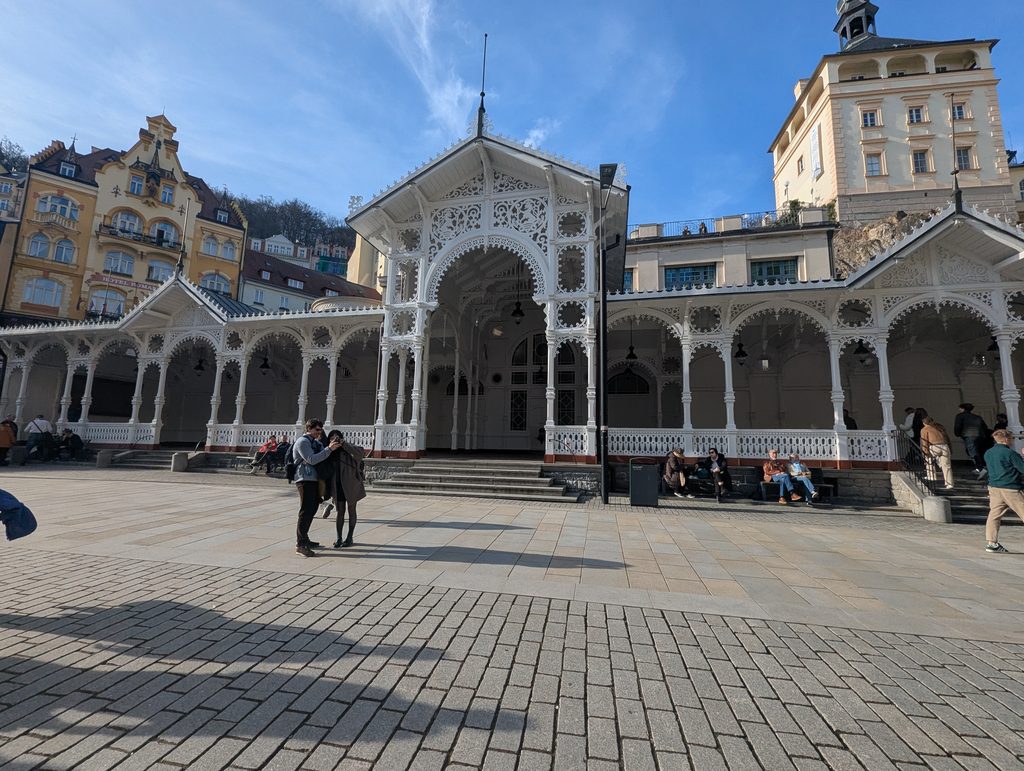
If you are travelling on a budget, more than ten public thermal springs welcome you with a free sip of mineral water. Pick up a traditional, iconic porcelain drinking cup and try the water from the fountains. Souvenir shops beside the colonnades sell overpriced porcelain, so head to the back streets for cheaper options.
The same advice applies to the spa wafer – hop in to any supermarkets and get a pack of that spa water wafer. Then walk back to the city center and enjoy your bite like locals.
If you want to splurge, try one of the hotel spas. Many hotels in Karlovy Vary offer thermal pools, massages, and other treatments exclusively for their guests.
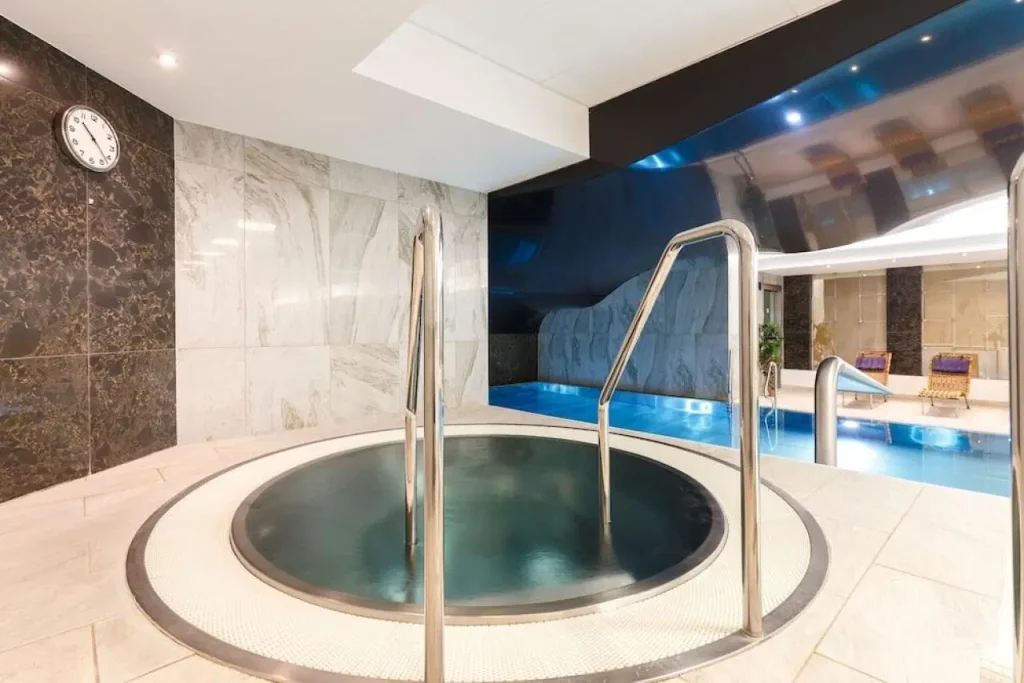
Hotel Thermal Spa in Karlovy Vary got a jacuzzi! Picture: Hotel Thermal Spa
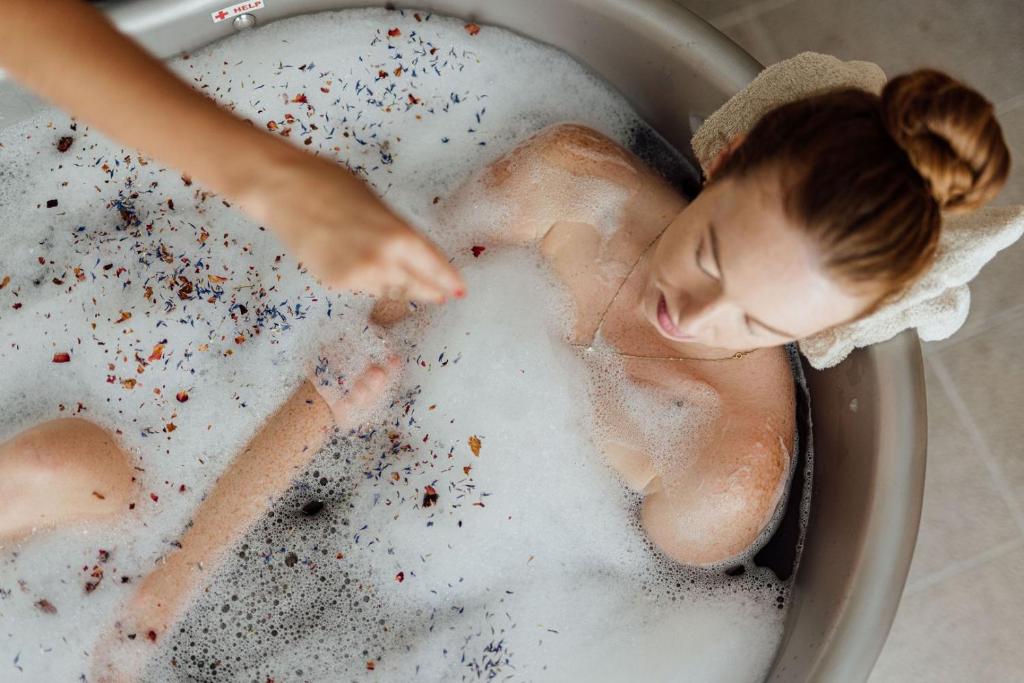
Grandhotel Pupp offers the exclusive spa quarter for the guests staying in their rooms. Picture: Grandhotel Pupp
For those without a car, Karlovy Vary is well connected to Prague by both bus and train, with a journey time of about two hours each way. Buses with FlixBus or RegioJet are usually cheaper and faster.
Mariánské Lázně
According to CzechTourism, the area around Mariánské Lázně was once nothing but hills and valleys. Yet people had already been drinking and bathing in its healing waters since the Middle Ages.
At the beginning of the 19th century, a doctor from the nearby monastery town of Teplá promoted the healing effects of the local springs, and Mariánské Lázně was born. The spa town expanded quickly, and its elegant palaces and villas soon welcomed famous visitors including Chopin, Goethe, Freud, and Kipling.
Like its older sister Karlovy Vary, Mariánské Lázně offers public mineral springs as well as hotel spa centres. Again, if you are on a budget, look for porcelain souvenirs in the back streets rather than in the main tourist areas.
As for the traditional spa wafer, the famous brand Kolonada has its flagship store in the town centre which wasn’t very impressive for us to buy anything there. It was more like a cafe to order its wafer and a cup of coffee and got the small wafer sales area just next to the cashier. We had expected something like the Lindt outlets where you can buy a ton of (exclusive) sweeties straight out of the factory.
The Kolonada factory is within walking distance from the centre, which is unfortunately closed for tourists except for the explanatory signposts narrating the Kolonada history. But no worries, you wafer fans. Every supermarket in Czechia sells the Kolonada spa wafer!
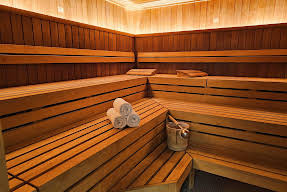
Orea Spa Hotel offers a sauna for their guests. Picture: Orea Spa Hotel
Mariánské Lázně is also well connected to Prague by RegioJet buses and trains.
Františkovy Lázně
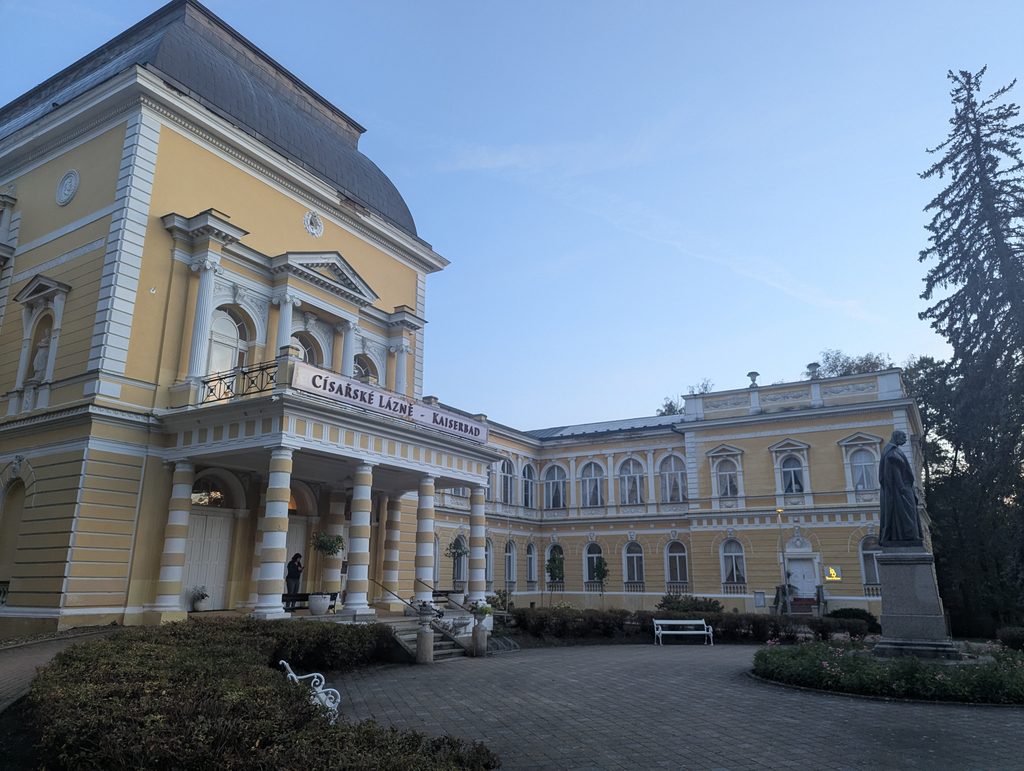
The town was named after Austrian Emperor Francis II at the end of the 18th century, although the healing effects of its waters were already known to locals before then.
Perhaps we visited in the wrong season, but the town felt almost deserted. We saw pastel-coloured 19th-century spa houses and hotels, leafy boulevards, and green parks—but hardly anyone on the streets, even in the town centre.
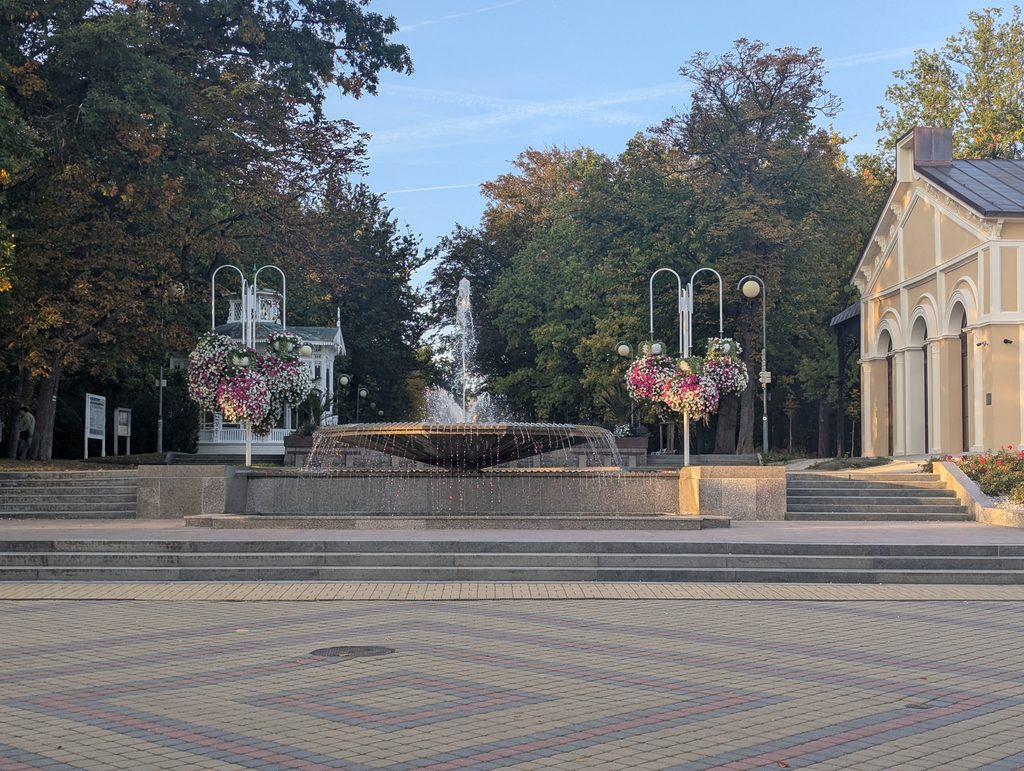
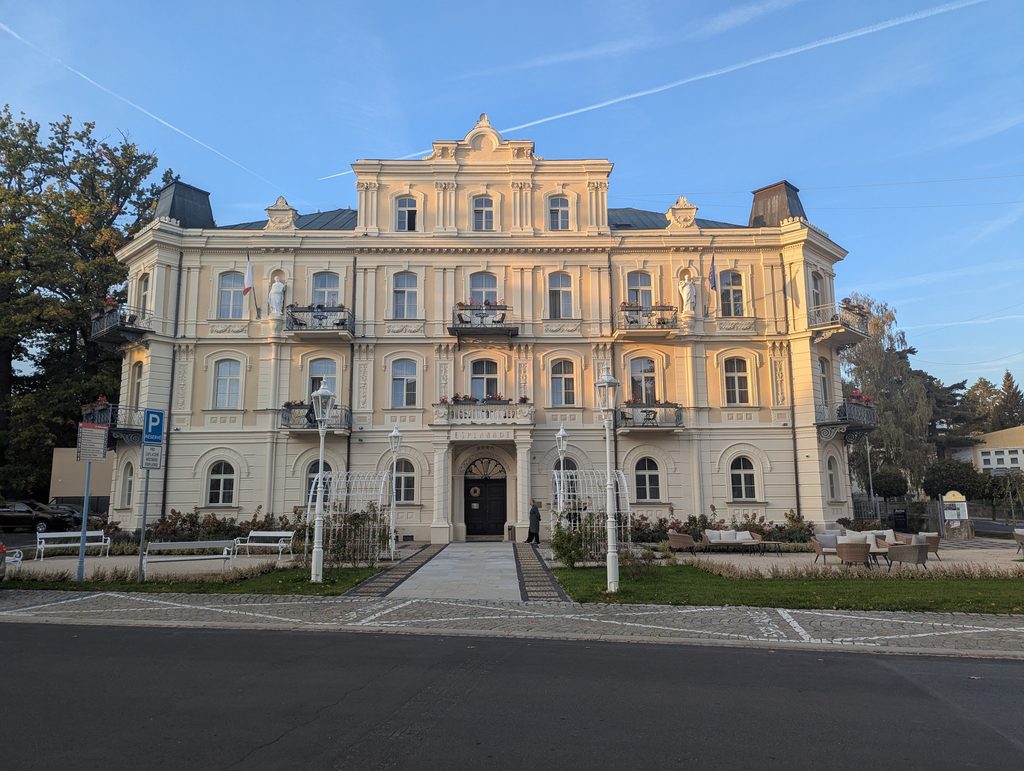
There were no public mineral-water fountains where we could drink the water. The only moving water we found was a fountain guarded by a protective glass case, trying to tell us, “Don’t break me.”
Perhaps the town feels more charming and lively during peak spa season. If you have visited Františkovy Lázně when it was full of spa-goers, please let us know in the comments.
For travellers without a car, take DB or ČD trains to and from Prague. Buses may not stop in the town centre, which can make reaching the spa district without a taxi less convenient.
Leave a Reply